

Structure is the part of a website nobody sees in the design mockups. It is the list of pages, the menu that connects them and the paths people take from arriving to getting in touch.
It also quietly decides two things that matter a great deal: how many searches the site can show up for, and how quickly a visitor finds the page that answers their question. Here is how we plan it for service businesses.
Contents6 sections
One page per question
Search engines rank pages, not businesses. A single “Services” page that lists twelve services in bullet points gives Google one weak page to show for twelve different searches. Twelve focused pages, each answering one of those searches properly, give it twelve strong ones.
Visitors work the same way. Someone searching for garage door spring repair wants a page about garage door spring repair, with a price range, the process and a button to book. Landing them on a general homepage makes them do the searching a second time, on your site, and many will not bother.
The basic map for a service business
- A homepage that says who you are, what you do, where, and why you, with proof.
- A page for every core service, each with its own details, prices and questions.
- A page for each main area you serve, if location matters to your customers.
- Examples of work, reviews, an about page and a simple contact or quote page.
- FAQ and articles that answer the questions customers ask before buying.
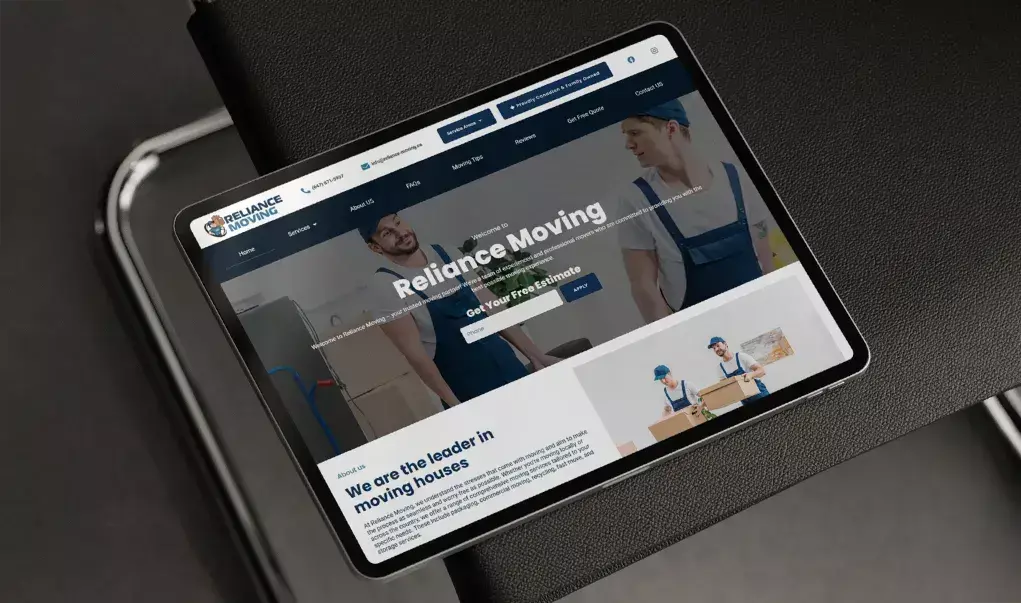
For a renovation company in the GTA, that could mean kitchen, bathroom and basement pages, plus area pages for Toronto, Vaughan, Markham and Mississauga. Each service page links to relevant projects and each area page to the services most requested there.
Area pages that are actually useful
Area pages have a bad reputation because many are spam: the same paragraph with the city name swapped. Search engines have become good at ignoring those, and visitors never trusted them.
A useful area page has real local substance: projects completed nearby, typical response or travel times, notes on local permits or building types, reviews from customers in that area. Written that way, it helps both the visitor and your rankings.
Menus people understand at a glance
Menu labels should use the words customers use. “Kitchen renovations” beats “Solutions”; “Prices” beats “Investment”. Keep the top level to around six items, group services in a dropdown, and keep the phone number and main button in the header on every page.
On mobile, a sticky call or quote bar at the bottom of the screen often does more for enquiries than anything in the menu itself. Breadcrumbs help people understand where they are and help search engines understand how pages relate.
Paths and internal links
Every page should end with a next step, never a dead end. Service pages link to related services, relevant case studies and the quote form. Articles link to the services they discuss. Case studies link back to the service that produced them.
A visitor should never have to use the back button to find out what to do next.
These links also tell search engines which pages matter most. Pages nobody links to, sometimes called orphan pages, tend to be ignored by visitors and search engines alike.
A 20-minute structure check
- List every page on your site, or export them from your sitemap.
- Write down your ten most valuable searches and match each one to a page. Gaps are opportunities.
- Look for pages with no links pointing to them.
- On your phone, try three typical customer journeys and count the taps to a quote request.
- Check that every service and area page ends with a clear next step.
If the result is a long list of gaps, a structure plan is the best first step of any website project. It is also the foundation of solid SEO, because the right pages have to exist before they can rank.