

Ask most owners what their website does and the honest answer is: it describes the business. Services, about us, contact. It is a brochure that happens to be online.
That model still works for some businesses, but it is losing ground. The websites winning customers in 2026 do more of the actual work, before, during and after the first conversation. Here is where we see them heading.
Contents6 sections
From describing to answering
More and more people meet your website through an AI summary or assistant before they ever visit it. Those tools favour pages that answer questions directly: what it costs, how long it takes, who it suits, what happens next. Websites written as answers, with clear structure and structured data behind them, get quoted and clicked. Websites written as slogans get skipped.
From pages to tools
The most useful business websites now include small tools: a price calculator, a product configurator, a quiz that recommends a service, an availability checker. They give visitors something of value immediately and give the business better-qualified enquiries.
We have built 3D configurators for door and packaging manufacturers, where buyers assemble exactly what they need and the enquiry arrives with the specification attached.
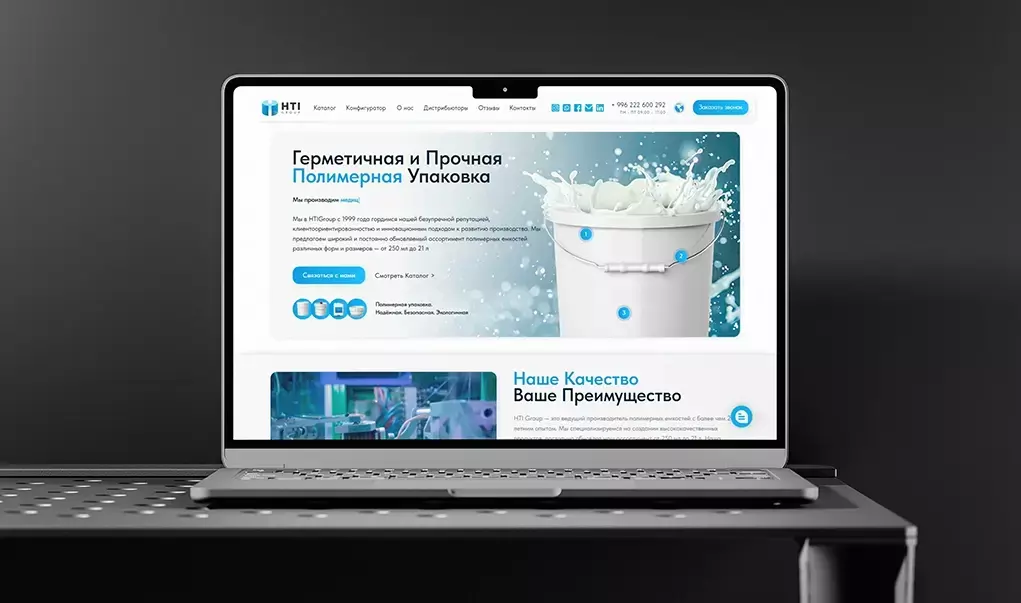
From contact forms to self-service
Customers increasingly expect to do things themselves: book an appointment, request a quote with photos, check an order, download a document, reorder a product. For B2B businesses that often means a client portal. Every task a customer can complete on their own, at any hour, is one less phone call and one less reason to go elsewhere.
From one version to the right version
Light personalization is becoming normal: separate paths for homeowners and contractors, content that reflects the visitor’s city, returning visitors seeing the service they looked at last time. It does not need to be invasive. Simple choices, respectful of privacy and consent, go a long way.
Fast and accessible by default
Expectations for speed keep rising, and accessibility is moving from a legal checkbox to a basic standard. In Ontario, organizations with 50 or more employees already need websites that meet WCAG 2.0 AA. For everyone else it is simply good business, because accessible sites are easier for all visitors to use.
The website as the home you own
Social platforms change their rules, their algorithms and sometimes their availability in Canada. A website is the one place online you fully control. It is where your content lives, where your data is collected with consent and where every other channel should ultimately point.
Social profiles are rented. Your website is the one place online you actually own.
If your site still works like a brochure, the first step does not have to be a rebuild. Adding one useful tool or self-service feature is often enough to start. Our website and 3D visualization teams build both.