
Think about the person on your team who closes the most deals. They are rarely the loudest. They ask good questions, answer the concern behind the question, show a relevant example and make the next step feel easy.
A website can do a surprising amount of that job, for every visitor at once, at any hour. Here is how we translate a great sales conversation into pages and features.
Contents6 sections
It starts by listening
A good salesperson’s first move is a question: what are you looking for? Websites can ask it too. A simple choice on the homepage, such as “I’m a homeowner” or “I’m a contractor”, sends each group down a path written for them. A search box, a short service picker and clear menu labels do the same job in different ways.
The point is that nobody should have to read about a service they do not need before finding the one they do.
It answers the objection behind the question
“How much does it cost?” often means “Can I afford this, and will there be surprises?” “How long does it take?” often means “How disruptive will this be?” Great salespeople hear the second question. Great service pages answer it.
Price ranges with an explanation of what moves the price, a realistic timeline, what happens on the day, what the guarantee covers: each answer removes a reason to wait.
It shows instead of telling
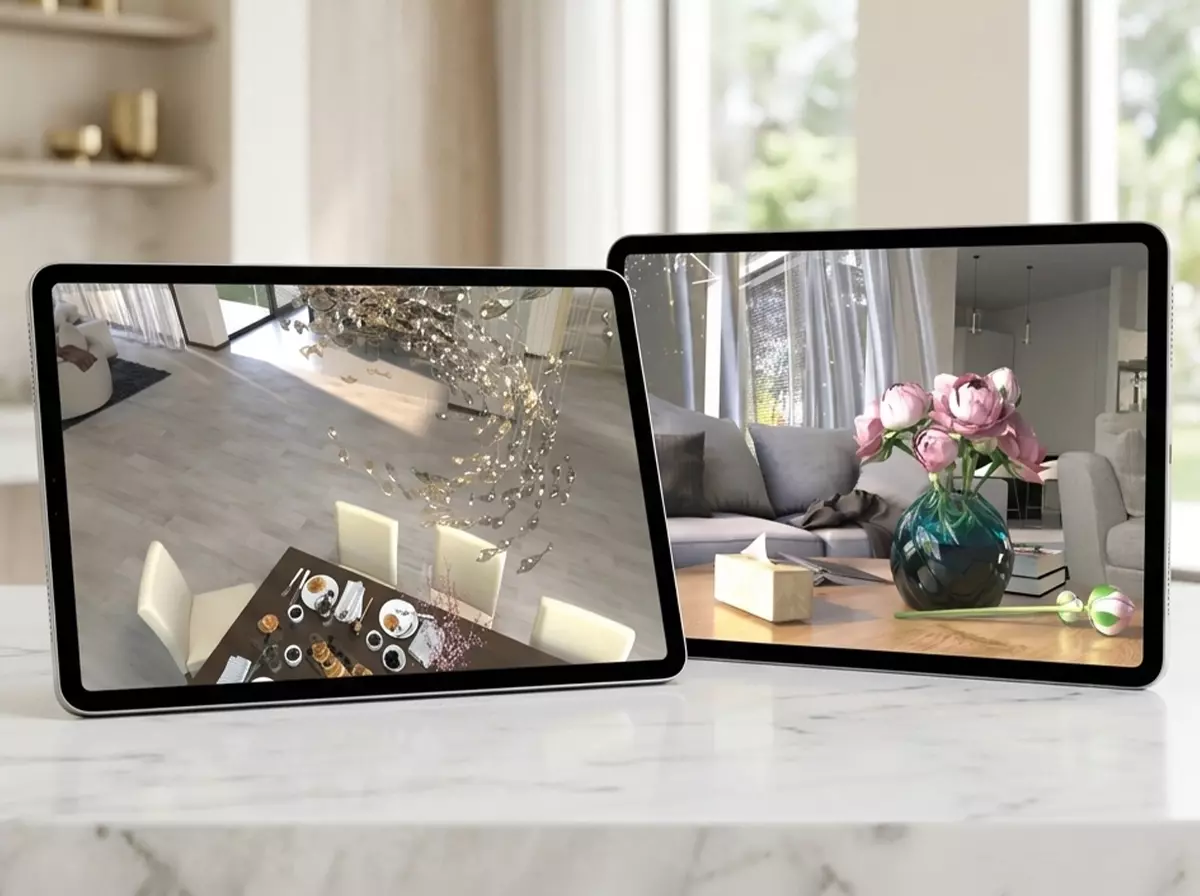
The strongest argument in any sale is a similar job done well. Galleries sorted by project type, before and after photos, short video walkthroughs and case studies with real details all do this. For products that do not exist yet, 3D visualization lets buyers see a home, a room or a product before it is built.
It helps people price and configure
Some of the most effective sales tools on the web are simple calculators: enter the size of the room, choose a material, see a price range. More advanced versions are configurators, where a buyer builds a door, a kitchen or a package and sees it change in front of them.
Both give the visitor something valuable before they share their details, and both produce better leads, because the enquiry arrives with the configuration attached.
It makes the next step easy
Online booking, tap-to-call, a quote form that remembers the configuration, a chat window for quick questions. At 11 pm, when nobody is at the office, an AI assistant trained on your own FAQ can answer routine questions and book a call for the morning.
It follows up without being pushy
Good salespeople follow up. Websites can too: email a saved configuration or estimate, send a reminder before a booked visit, show a relevant case study to past visitors who agreed to cookies. The tone should match your best person on their best day: helpful, specific, never desperate.
If you would like your site to carry more of the sales conversation, our UX/UI design and automation teams build these features into existing websites as well as new ones.