

“We tried marketing. It doesn’t work for us.” We hear some version of this every week. Usually it means two months of Google Ads, a year of someone posting on Instagram, or a redesign that looked great and changed nothing.
When we open the accounts, the channel is almost never the real culprit. The same handful of problems shows up in a roofing company in Oshawa and a law firm in Thornhill alike. If three or more of the following sound familiar, your marketing is leaking money in predictable places, and the good news is that predictable leaks can be fixed.
Contents6 sections
Nobody agreed what “working” means
“More exposure” is not a goal. Neither is “more leads”. Without a number, every month looks either fine or disappointing depending on how busy the week felt.
A useful target sounds like this: 30 qualified quote requests a month, at under $90 each, by the end of the quarter. It forces three decisions that most businesses skip: what counts as a qualified lead, what a lead is worth to you, and when you will judge the results.
Once that sentence exists, arguments about which channel to use get much shorter.
The offer sounds like everyone else’s
Open the websites of your three closest competitors in separate tabs, then open yours. Cover the logos. Could a customer tell them apart? If every site promises “quality service at competitive prices”, people fall back on the only thing left to compare, which is price.
The fix is specificity. Name the service, the area and the outcome. Take risk off the table with free estimates, written warranties or price ranges. Show proof a stranger can check: Google reviews, photos of real jobs, licences, years in business. None of this costs ad money, and all of it makes ad money work harder.
Half the results are invisible
This one surprises owners the most. In many ad accounts we audit, page views or button clicks are counted as conversions, which makes campaigns look great while the phone stays quiet. In others, form fills are tracked but phone calls are not, even though for local services in Canada calls are often the majority of leads.
When half the results are invisible, you end up cutting the campaigns that work and keeping the ones that only look good. Set up proper conversion tracking, call tracking and a simple CRM so a lead can be followed from the first click to the invoice. Our guide on measuring marketing ROI walks through the setup.
The website loses the people you paid for
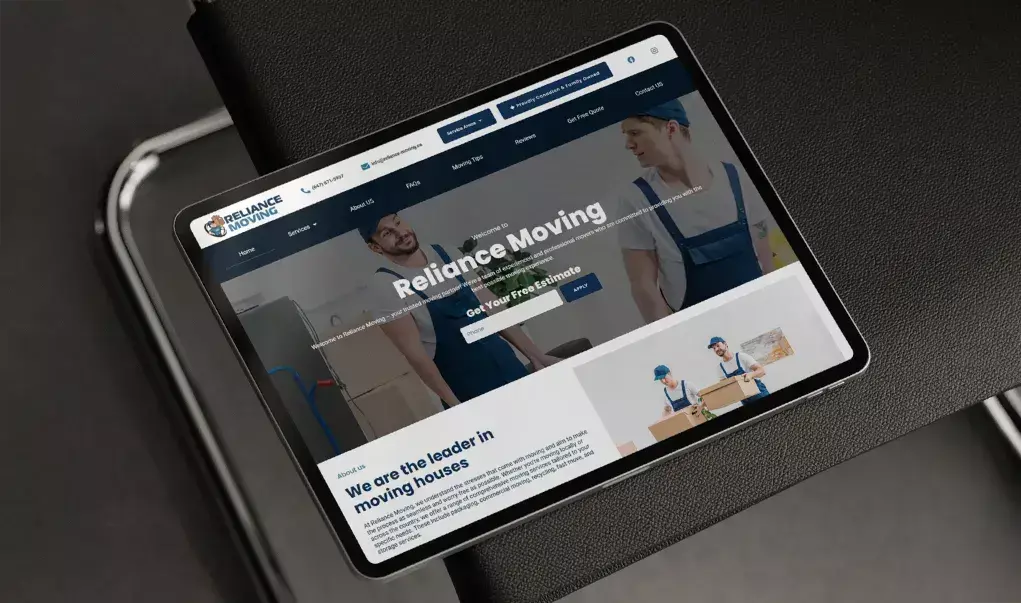
Ads can only deliver visitors. What happens next is up to the page they land on. Slow load times, a phone number hidden in the footer, a form with eleven fields, a homepage that talks about the company’s history before it mentions the service: each one quietly sends paid visitors back to Google.
Leads go cold while they wait
Someone who asks three companies for a quote usually books the one that answers clearly first. A lead that waits until tomorrow morning has often already been handled by a competitor who picked up the phone.
You do not need a call centre. You need a routine: forms and missed calls answered within minutes during business hours, an automatic reply after hours that says exactly what happens next, and a follow-up on every unanswered quote after two days and again after a week. Most of this can be automated in a CRM in an afternoon.
Too many channels, too little time
The last pattern is impatience spread thin. A modest budget divided between Google, Meta, TikTok, LinkedIn and a directory listing never gives any single channel enough data to improve. Two months later the verdict is “none of it works”, and the plan changes again.
Paid search needs a few weeks of clean data to optimize. SEO and content usually need three to six months before leads arrive steadily. Agree on what should improve after 30, 60 and 90 days, pick one channel for demand you can capture now and one for trust you build over time, and judge them against those milestones.
If you are not sure which of these six problems costs you most, a marketing audit will rank them, so the first fix is the one with the biggest payoff.