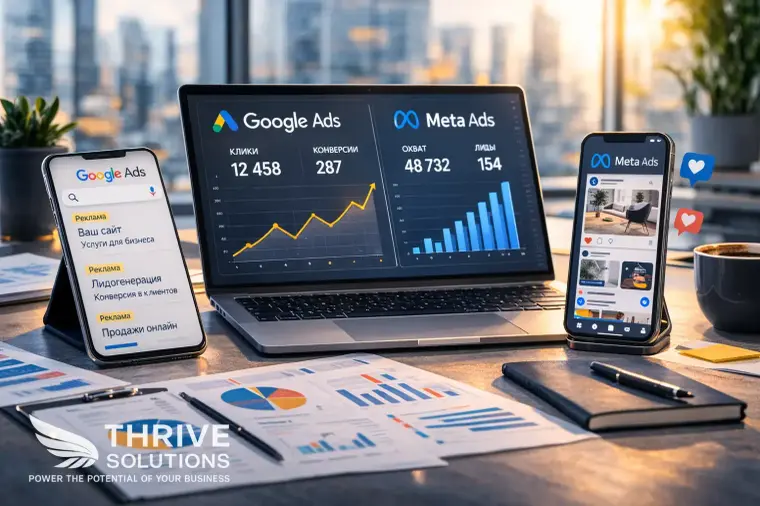

“Performance marketing” is one of those phrases that means whatever the person selling it needs it to mean. At its core it is simple: marketing where every dollar is tied to a measurable action, and budgets move toward whatever produces results.
That discipline is valuable for any business. The trick is knowing which results actually matter, and how honestly they are being measured.
Contents6 sections
What performance marketing actually is
It usually covers paid search, paid social, shopping ads, retargeting and sometimes affiliate or partner programs. What unites them is measurement: each click, lead and sale can be tracked back to a campaign, and campaigns are adjusted weekly based on what the numbers show.
It is not the opposite of brand marketing. Brand work makes people more likely to click and buy when a performance campaign reaches them. Businesses that cut all brand spending often see performance costs creep up a year later.
The metrics that matter, and the ones that flatter
| Metric | What it tells you | Watch out for |
|---|---|---|
| Cost per click | The price of attention | Cheap clicks can be worthless |
| Click-through rate | How relevant the ad is | High rates on the wrong audience |
| Cost per lead | The price of an enquiry | Lead quality varies a lot |
| Cost per customer | The price of a sale | Needs CRM data to be accurate |
| Return on ad spend | Revenue per ad dollar | Revenue is not profit |
Judge campaigns by cost per customer and profit where you can. Everything above that line is useful for diagnosis, not for deciding whether marketing pays.

Who gets the credit?
A customer sees your Instagram ad on Monday, searches your name on Google on Thursday and calls. Instagram will claim the sale. So will Google. Add up what every platform reports and you will often find more sales than you actually made.
Use your CRM as the referee. Record where each customer came from, ask “how did you hear about us?” on every call, and occasionally test a channel’s real contribution by pausing it in one area and watching what happens to enquiries there.
Creative is the new targeting
Ad platforms now automate much of the targeting. What they cannot automate is having something worth saying. The image, the first line, the offer and the first second of the video decide who stops and who scrolls, which effectively decides who your ad reaches.
Test messages, not button colours. The biggest wins come from what you say, not how it is decorated.
How performance agencies charge
Common models are a flat monthly fee, a percentage of ad spend, a price per lead or a base fee with a bonus for results. Each can work. Percentage of spend rewards spending more rather than spending better. Pay per lead sounds safe, but ask who owns the leads, whether they are shared with competitors and how quality is defined.
Is performance marketing right for your business?
It works best when the basics are in place: tracking that captures calls and forms, a website that converts, margins that can absorb the cost of acquiring customers and the patience to let campaigns learn for a few weeks. If those are missing, fix them first. If they are there, our Google and Meta Ads team runs performance campaigns with reporting tied to real customers.