

Before hiring anyone for a job that matters, most people run a quiet background check. They read your reviews, scroll your profiles, see how you answered the last complaint and check whether your latest post is from this month or from three years ago.
You cannot control every part of that check, but you can make sure your social presence passes it. These seven habits do most of the work.
Contents7 sections
Show the people behind the logo
A logo cannot be trusted. A person can. Introduce the owner, the team and the people who will actually turn up at a customer’s home or answer the phone. A short video of someone explaining what they do, in their own words, is worth more than a month of branded graphics.
Show up consistently
An account that posts every week says the business is open, busy and organized. An account that went quiet last spring raises doubts, fair or not. Consistency also means a recognizable look and voice, so people know it is you before they read the name.
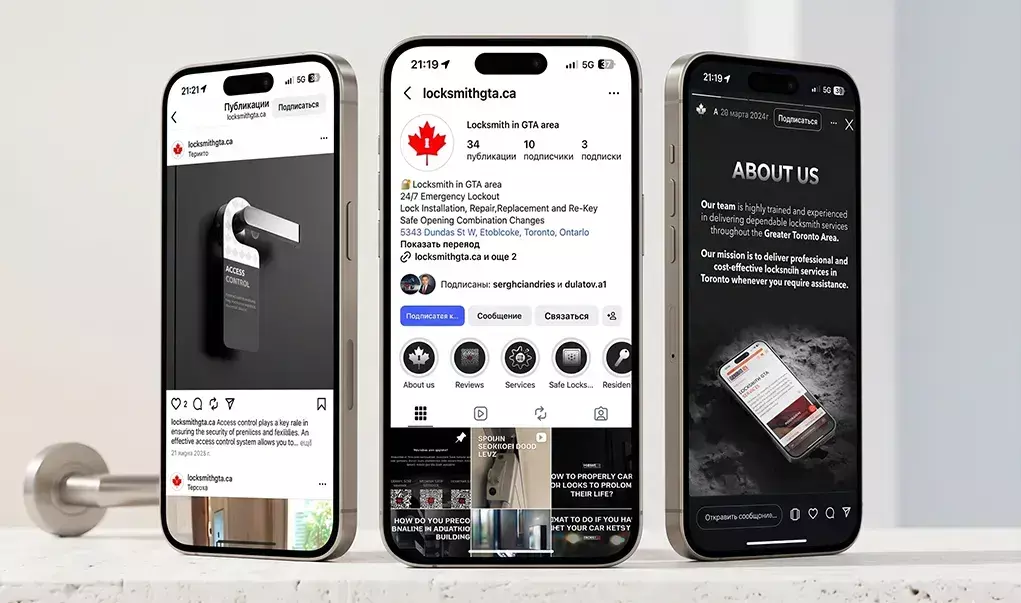
Let customers speak for you
Share reviews as simple posts, reshare customers’ photos and stories with permission, and let happy clients appear in your content when they are comfortable with it. What other people say about you is more convincing than anything you say about yourself.
Reply to reviews on Google and Facebook too, including the short ones. Future customers read the replies as carefully as the reviews.
Answer criticism in public, calmly
A negative comment handled well can build more trust than ten positive ones. Reply within a day, thank the person, acknowledge the problem without arguing, offer to fix it and move the details to a private conversation. Then follow up publicly once it is resolved, if the customer agrees.
People do not expect perfection. They watch how you behave when something goes wrong.
Be open about price, process and limits
Explain what affects your prices, how a typical job runs and how long things really take. Say plainly what you do not do, and who you are not the right fit for. Honesty about limits makes everything else you say more believable.
Teach generously
Share what you know: how to spot a problem early, what to ask any contractor, which cheap fix is fine and which is not. Some people will use the advice and never call. Many more will remember who helped them when the job is too big to do themselves.
Keep it honest, always
- Never post fake or incentivized reviews. Misleading reviews can breach Canada’s Competition Act.
- Disclose paid partnerships clearly, as the Ad Standards influencer guidelines expect.
- Do not present stock photos or other companies’ work as your own.
- Label AI-generated images when there is any chance they could be mistaken for real work.
Trust takes months to build and one screenshot to lose. If you want help building it deliberately, our social media and brand strategy teams work on exactly this.